Piko
Piko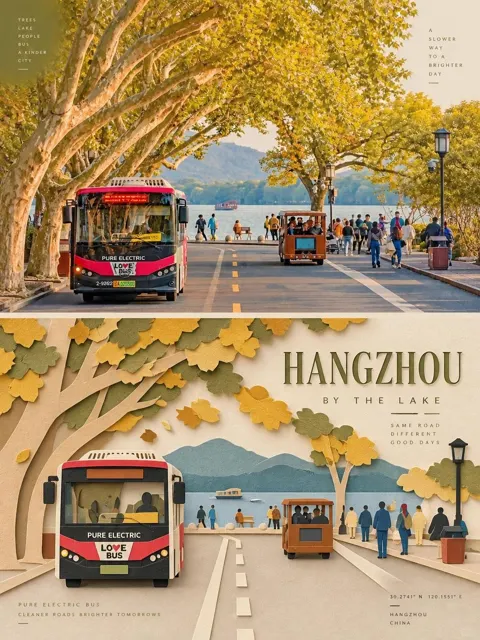 Promptu incele ↗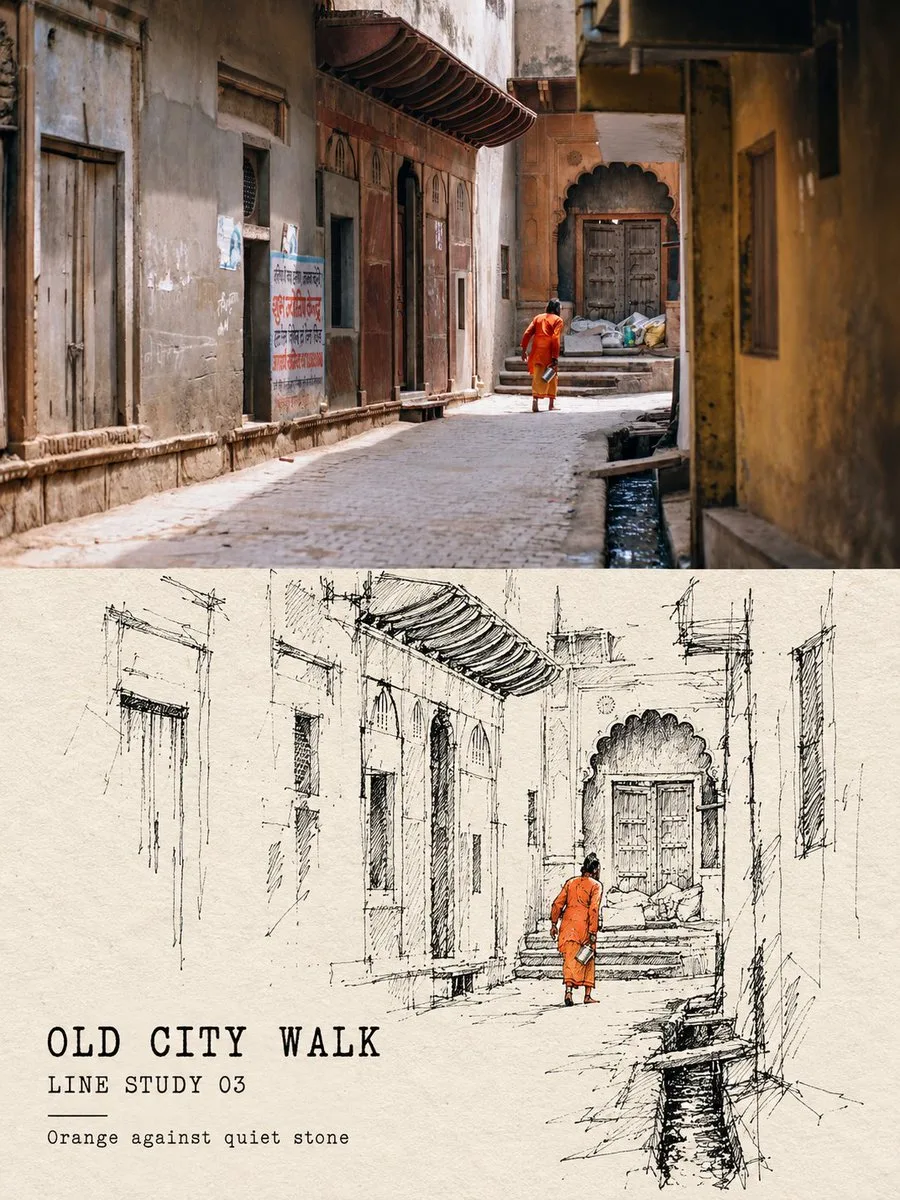
ChatGPT
TasarımChatGPT
High end line drawing and photo travel poster
Üretici @Hamburgerai
Prompt
Please turn each travel photo I upload into an independent, high-end line drawing travel poster, outputting each photo separately without multi-image collages.

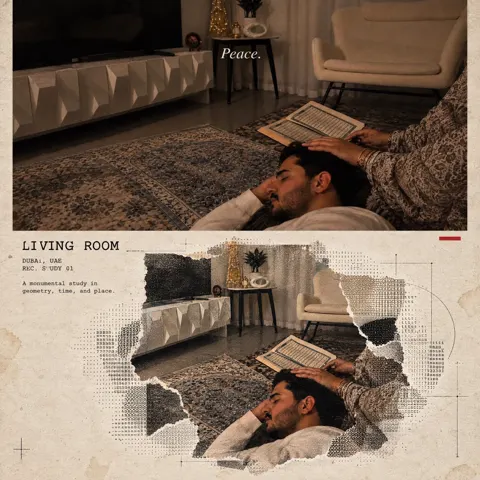
The overall composition uses a 3:4 vertical layout, forming a clear "top real photo + bottom line drawing background character re-rendering" upper-and-lower contrast. Use clear, horizontal, and restrained boundaries for the upper and lower areas; do not use feathering, tearing, gradient blending, and do not let photos, lines, or text cross the boundary.

The upper half must retain the uploaded photo itself. Accurately maintain the identity, number, posture, direction of action, main clothing color, building and street relationship, observation angle, perspective, real materials, natural light and shadow, and original color atmosphere of the character or subject. Only perform slight high-end photography color grading and extremely thin film grain to give it the texture of a travel magazine or art publication. To adapt to the frame, the sky, ground, or surrounding environment can be naturally extended, but do not stretch, distort, mirror, move, replace, or redraw the subject.

The lower half, on warm rice white, old paper white, or light oatmeal colored paper, reorganizes the same character and the same scene from the photo above into a "line drawing background character observation study." The character remains the visual center, maintaining the original number of people, body center of gravity, direction of action, distance from each other, hairstyle outline, main clothing color, backpack, and other key identification features; the streets, buildings, sea surface, or environment behind the character retain only a few clues that can explain the location and spatial direction. Do not trace the entire background completely, and do not add characters or landmarks that do not exist in the original photo.

The line drawing must use unstable black pens, dip pens, or dry-leaning ink lines to repeatedly find the form: breaks, pauses, folds, misplaced double lines, partial re-drawing, variations in thickness, slight erasures, and unfinished line ends must be clearly visible. The lines look like the artist is constantly correcting on site, rather than clean vector outlines, manga ink lines, or fashion sketches. Where necessary, a very small amount of solid black blocks or dense hatching can be used to press down on backpacks, hair, door frames, or shadows, but do not establish full pencil shading or large areas of color filling.

The composition uses reduction and refinement, offset display, or vertical reorganization. The linear subject occupies about 38%—68% of the width of the lower area and can be biased to one side; keep at least 42% continuous old paper negative space around it. Only keep one or two ground lines, perspective lines, wall boundaries, or structural lines to support the space; do not draw it as an engineering drawing grid. The tension between the lines and the paper white is more important than background completeness.

The colors are mainly warm old paper and single black ink. At most, extract one tiny area of light color from the photo for clothing, location markers, short lines, or numbering; the colored area should be less than 8% of the lower area, and do not use multi-color watercolor fills. The paper should have visible fibers, subtle grain, and the matte touch of an old travel album.

In the main negative space, add a small amount of accurate, readable editorial text: a short English title related to the location or subject; a line of "LINE STUDY 01" or location/object fields; a very short observation note. The text uses a small typewriter font, ink-deficient lead type, or a handwriting style similar to the lines, as if written directly on the paper; do not overpower the character. Do not add the author's name, brand, logo, URL, fake dates, signatures, watermarks, garbled code, or extra slogans.

Overall temperament: fragmented black linework, repeated searching contours, sparse travel observation, warm archival paper, controlled negative space, one restrained accent color, handmade editorial study, quiet and intelligent travel memory.

Avoid: applying an overall general line art filter, continuous smooth outlines, vector outlines, exquisite fashion sketches, detailed facial features, human anatomical corrections, complete background tracing, dense architectural details, complete shadow sketching, heavy watercolor, oil painting, 3D, anime, irrelevant characters, intimate posture restrictions, author names, logos, URLs, signatures, watermarks, and garbled code.

Most important rule: The upper half is a real photo for direct comparison; the lower half uses only broken, folded, overlapping black lines that constantly search for form to re-refine the same character and scene relationship. The style comes from the tension of the lines and negative space, rather than a fixed character relationship.
Metni kopyala, kendi detaylarını ekle ve kullandığın görsel modelinde dene.