Piko
Piko Promptu incele ↗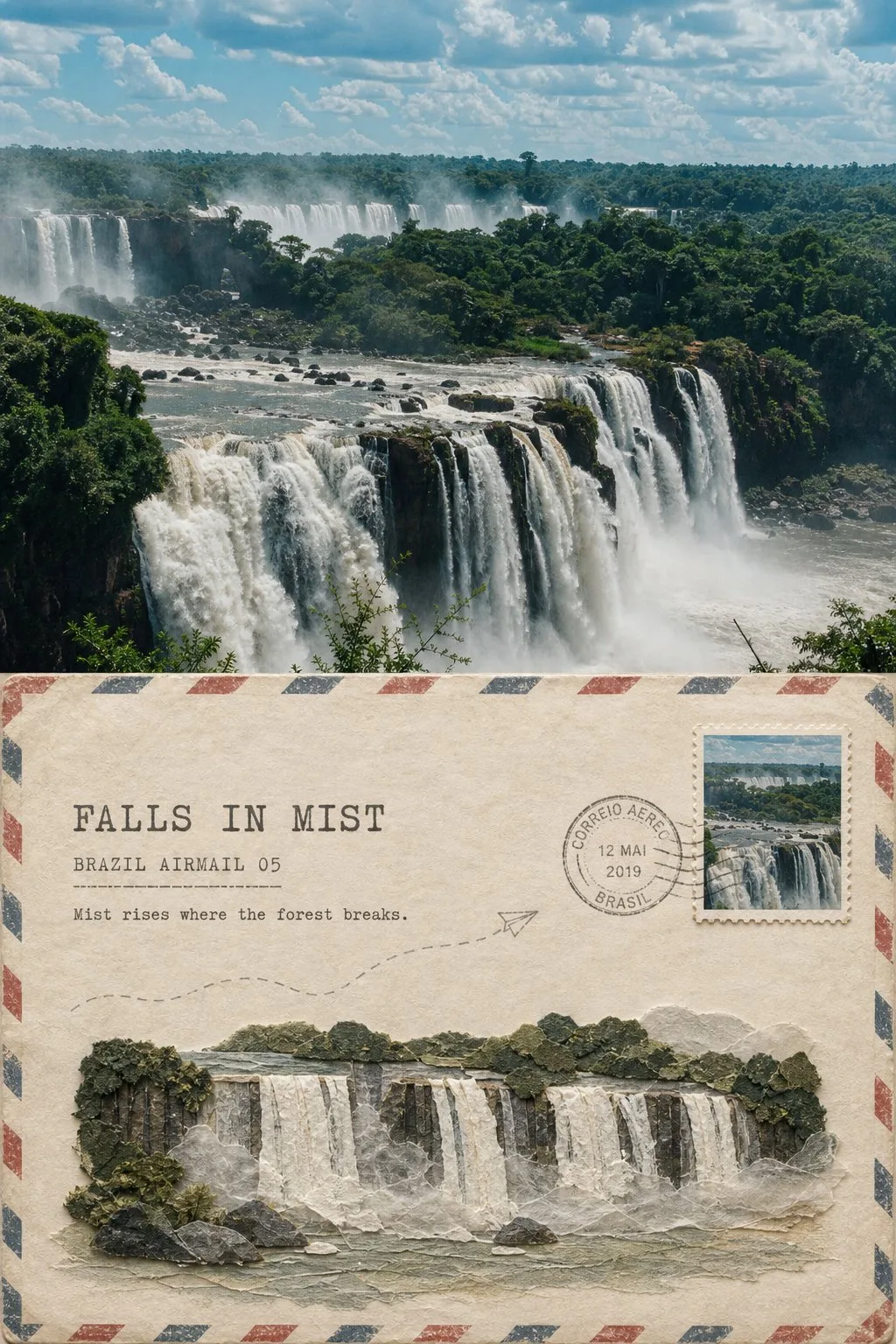
ChatGPT
TasarımChatGPT
Airmail relief memory card travel poster
Üretici @Hamburgerai
Prompt
Please turn each travel photo I upload into an independent high-end travel editorial poster, no multi-image stitching, output each photo individually.

Style Name: AIRMAIL RELIEF MEMORY CARD | 航空邮件浮雕记忆卡

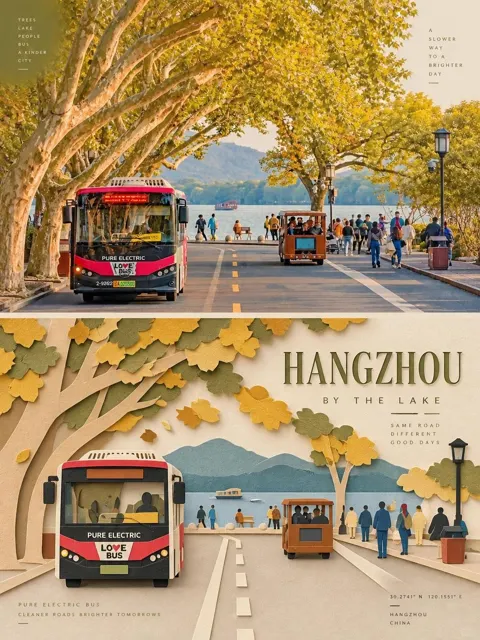
The overall composition uses a 3:4 vertical format, consisting of a real photo and a paper memory card at the top and bottom. The two areas each occupy about 50% of the frame, with a straight and clear boundary, but do not add thick, heavy separation lines.

The upper part faithfully preserves the original photo. Accurately maintain the subject identity, quantity, terrain, buildings, people, vehicles, spatial relationships, natural light and shadow, real texture, and original color atmosphere; do not redraw the photo, and do not randomly move, replace, or change the subject. Only apply slight high-end travel magazine color grading and extremely thin film grain treatment. To adapt to the vertical format, you can naturally crop or extend the sky, ground, water surface, and surrounding environment, but do not stretch, distort, or change the proportions of the subject.

The lower part presents a complete, recognizable old airmail envelope or airmail stationery memory card.

Use a warm ivory-colored old cotton paper background, preserving real paper fibers, subtle creases, indentations, slight wear, and naturally uneven aging marks. Add a restrained, faded red and blue diagonal stripe airmail border around the stationery, giving it the characteristics of a real airmail medium.

Extract the most recognizable subject, silhouette, posture, terrain relationship, and story information from the photo, and reorganize them into a horizontal paper pulp low relief located in the lower-middle part of the stationery.

The low relief only occupies about 25%—45% of the lower area, with large areas of quiet white space left around it. Do not mechanically copy the entire photo, do not turn the entire background into relief, only retain the visual elements necessary for people to recognize the location, subject, and travel scene at a glance.

Use 2—6 layers of thin cotton paper, pulp, handmade paper, and thin paper clay to construct the scene. There are clear and light hierarchies between different volumes, slightly fibrous torn paper edges, subtle embossing, and soft short shadows.

The relief must remain thin, light, and gentle, like travel memories pressed onto stationery. Do not make it into a heavy architectural sand table, 3D toy, plastic 3D model, or complex miniature landscape.

The color scheme is extracted from the original photo, summarizing and softening complex colors into a limited palette. Preserve the most recognizable cold-warm relationship and one characteristic color from the original image. Postal red and faded navy blue are only used for airmail borders, numbers, or a small amount of postal identification; do not let them dominate the entire scene's color scheme.

In the blank areas, add:
- A small perforated stamp, with the stamp image coming from a miniature of the subject in the same photo
- A restrained, naturally worn old postmark
- A thin dashed flight route line
- An optional tiny paper airplane symbol
- A short English title distilled based on the location or theme
- A set of travel numbers
- A short, specific, and descriptive English annotation

The text uses typewriter, old postal type, rubber stamp, or light embossed textures, naturally integrating with the old stationery. The title can be slightly larger but should not overshadow the main elements; auxiliary text should remain sparse and restrained, avoiding smooth modern digital typography.

The text content should come from the location, subject, action, or atmosphere actually visible in the photo. Do not add author names, social accounts, brand logos, QR codes, fictional addresses, fictional coordinates, meaningless dates, garbled text, or unnecessary decorative text.

The overall piece should be like an airmail letter sent back from a trip and later collected into an independent publication: real photography preserves the scene that happened at that time, and the paper pulp low relief preserves the memories compressed over time.

The overall temperament is quiet, gentle, restrained, nostalgic, and light, with the texture of collection-grade travel publications, old airmail letters, handmade paper art, and modern editorial design.

Avoid: cartoon style, children's handmade feel, complete redrawing of photos, both top and bottom parts being illustrations, heavy 3D sand tables, plastic 3D, resin models, smooth vector graphics, dominant transparent watercolors, complex scene piling, relief covering the entire stationery, excessive postal decoration, e-commerce template feel, garbled text, and irrelevant text.
Metni kopyala, kendi detaylarını ekle ve kullandığın görsel modelinde dene.