Piko
Piko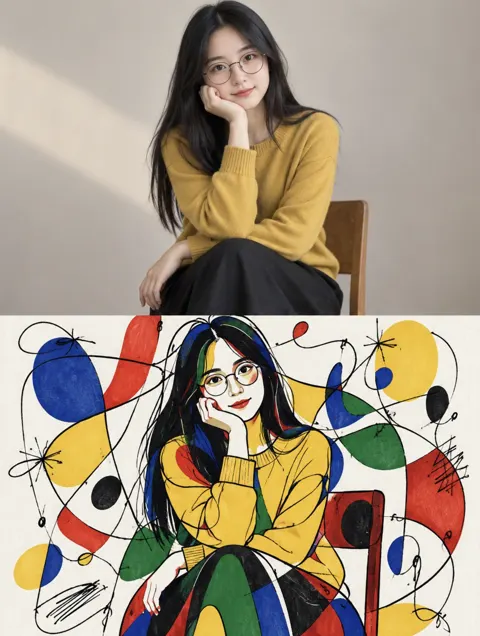 Explore prompt ↗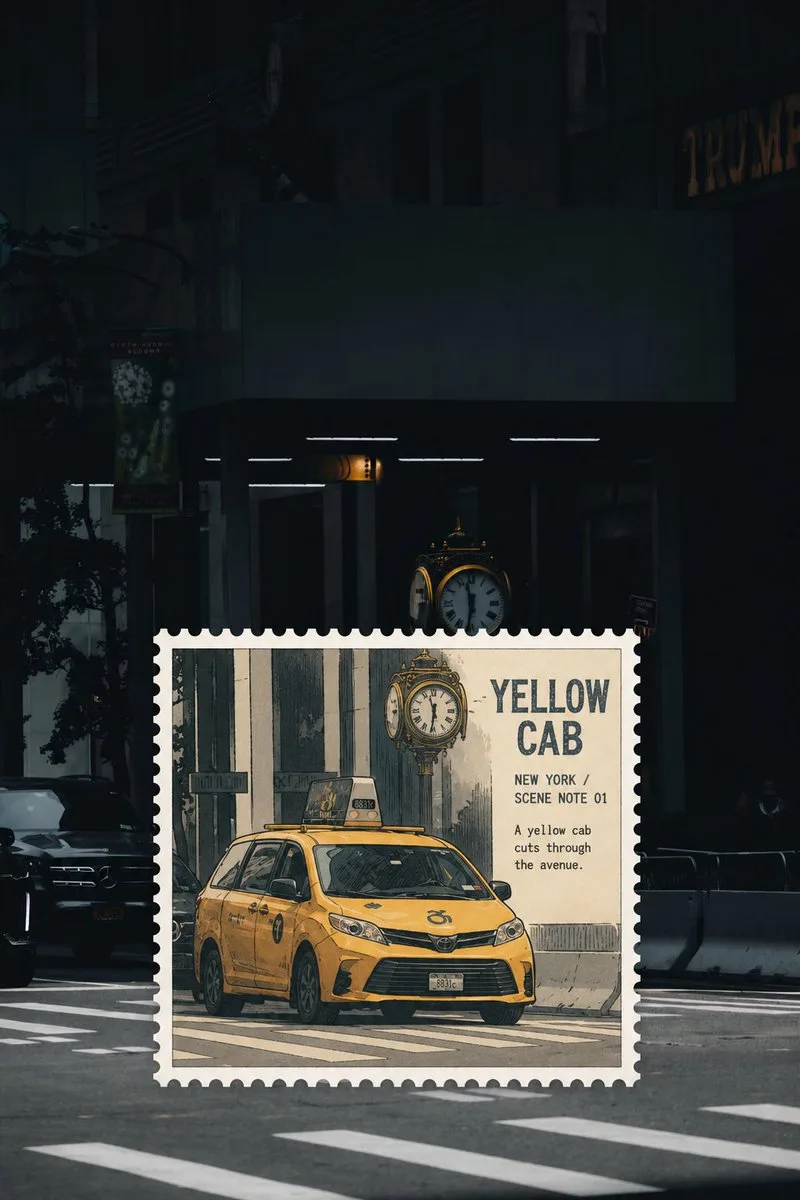
ChatGPT
IllustrationChatGPT
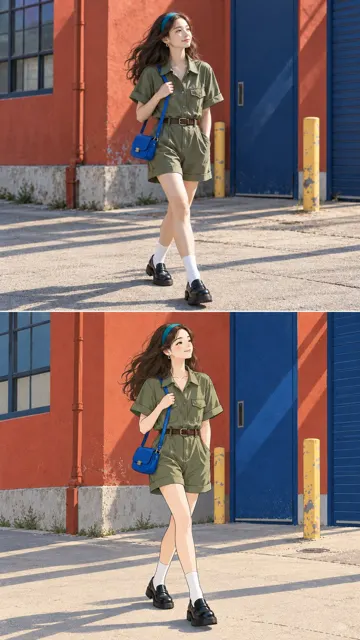
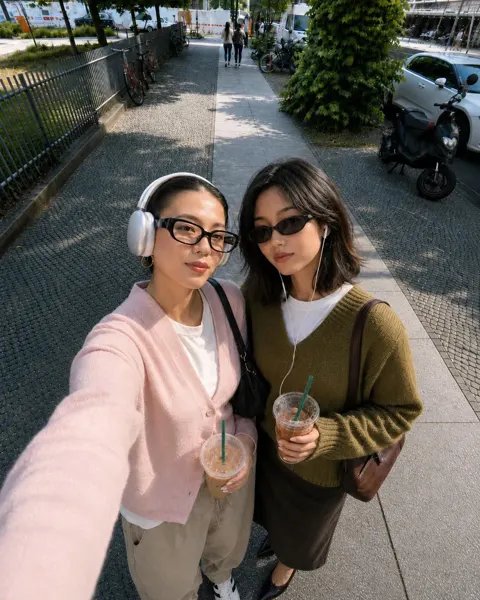
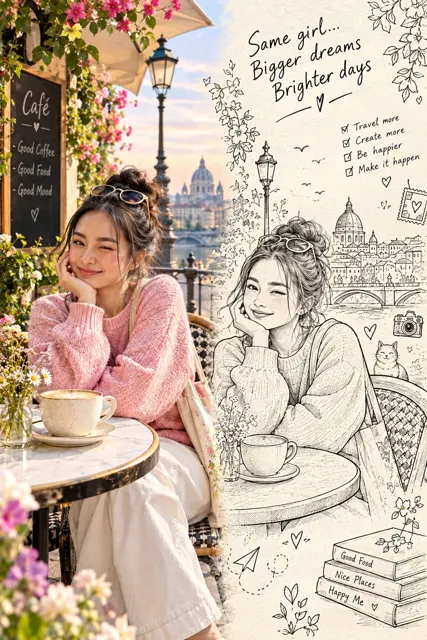
Realistic photo to anime stamp window
Creator @Hamburgerai
Prompt
Please turn each travel photo I upload into an independent "real-scene anime stamp window" work, each photo output separately, without multi-image stitching.

The complete original photo covers the entire screen, preserving the identity, number, posture, real scale, spatial position, observation angle, natural light and shadow, environmental relationship, and photographic texture of the subject. Do not create top-bottom comparisons, left-right diptychs, or full-image anime conversions.

At the original position of the core subject in the photo, directly draw a flat stamp window with complete perforated edges. The stamp window must cover the main occupancy of the original subject; inside the window, the same subject and its corresponding small amount of local environment are converted into vintage anime editorial illustrations; outside the window remains a clear and complete real photo.

Inside and outside the frame must belong to the same moment:

- The subject maintains the same number, center position, scale, posture, orientation, and perspective.
- The character's feet, vehicle wheels, hull waterline, roads, tracks, steps, railings, or horizon must naturally continue at the edge of the stamp.
- Do not move the subject, do not enlarge it into another close-up subject.
- Do not show a complete photographic subject and a complete illustration copy at the same time.
- The stamp window should directly cover the original subject, rather than being moved to a position convenient for layout.

Choose a stable stamp ratio according to the direction of the subject:

- Standing figures, front-facing vehicles, towers, and longitudinal alleys use a vertical 3:4.
- Horizontal vehicles, ships, stalls, and coastal scenes use a horizontal 4:3.
- Only obviously long and narrow subjects can use a horizontal 5:3.
- Prohibit any square, ultra-narrow vertical frames, or excessively flat and long ratios.

The four sides of the stamp must have continuous, clear, equidistant, and uniformly sized complete perforations. The inner core is evenly indented, and the width of the paper borders on all four sides is consistent. The stamp window fits perfectly onto the photo surface, being just a flat area where the visual language changes; do not show thickness, shadows, curled edges, floating, tilting, or physical card effects.

Inside the frame, use loose ink lines, vintage anime cel shading, slight old printing grain, and restrained paper texture. Colors are extracted from the original photo and simplified into 3–5 types, preserving the subject's most recognizable colors. Delete complex photographic details, leaving only the subject's outline, movement, core structure, and necessary environmental cues.

Retain about 35%–60% of quiet color planes or visual negative space inside the frame; do not draw a complete and crowded background.

Generate a small amount of real English text based on the location, subject, and scene of the photo:

- A readable main title of 1–3 English words.
- A line for location and number, such as "LOCATION / SCENE NOTE 01".
- A short, natural observation text.

Text can only be located in low-information areas inside the stamp window; the font should be consistent with the illustration material, such as vintage anime opening titles, slightly ink-deficient serif fonts, or loose hand-drawn fonts. The title should not be too small and should be clearly readable even in chat thumbnails. Do not block character faces, action joints, vehicles, tracks, or core objects.

Avoid: Top-bottom photo and illustration comparisons, left-right diptychs, full-image anime conversion, moving stamp positions, repeated subjects, changes in subject scale, misalignment of tracks or ground lines, ordinary white frames, missing perforations, dashed borders, rounded corner UI cards, physical postcards, floating stickers, paper thickness, drop shadows, detailed Japanese anime characters, irrelevant backgrounds, author names, signatures, logos, URLs, QR codes, watermarks, and unreadable fake text.

Most important rule: The illustration in the stamp window must replace the subject and scene at the same position and scale in the original photo. It is like a small piece of the real scene suddenly switching to animation, rather than an extra drawing pasted onto the photo.
Copy the text, add your own details, and try it in your image model.