Piko
Piko Explore prompt ↗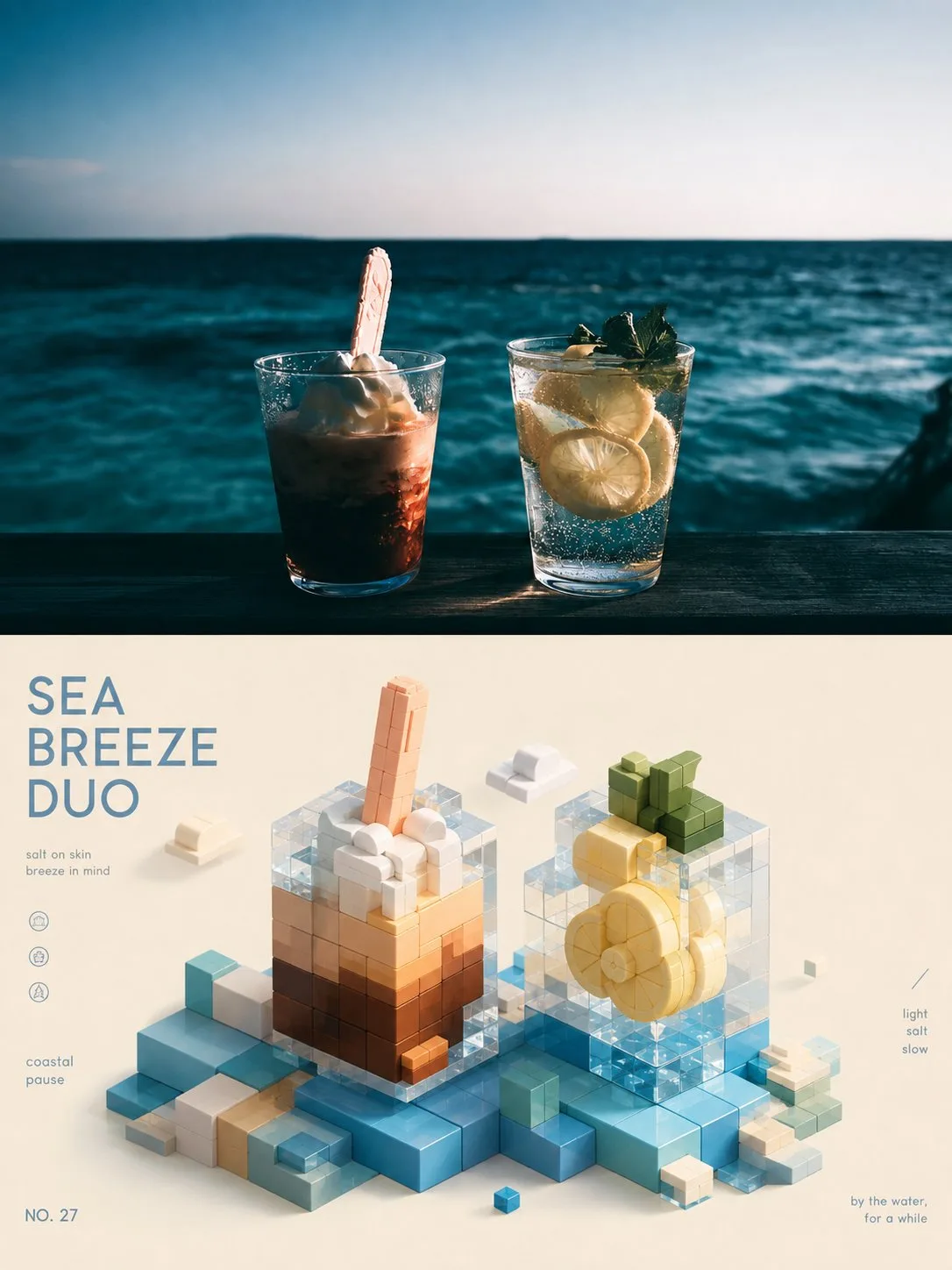
ChatGPT
DesignChatGPT
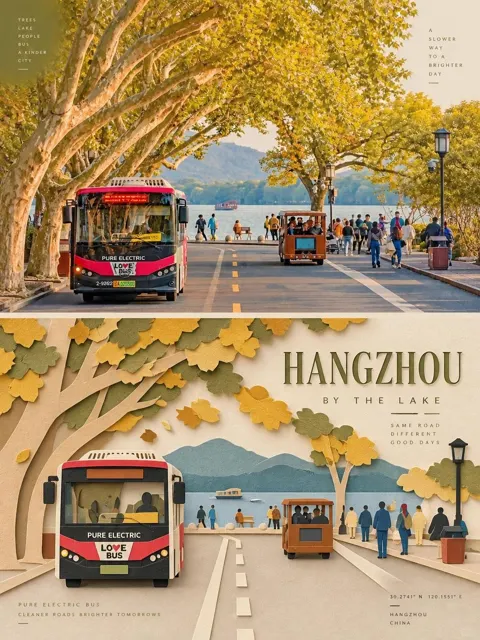
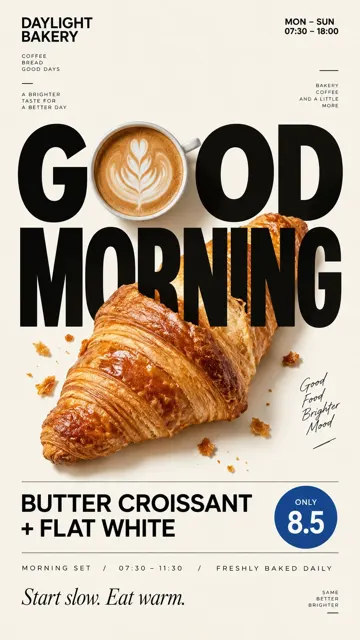
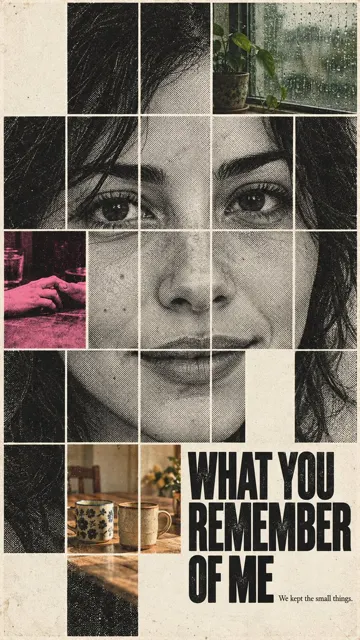
Real photography healing blocks editorial poster design
Creator @xiaoxiaodong01
Prompt
Please make each photo I upload into an independent high-end design poster, no multi-image stitching, each photo output individually. The overall composition adopts a 3:4 vertical layout, with the upper and lower two areas strictly 1:1 in height, each occupying 50% of the screen.

The upper part preserves the original photo, maintaining the main structure, spatial relationships, real materials, natural light and shadow, and original color atmosphere, only performing slight high-end photographic color grading to give it the texture of an art magazine, independent publication, and exhibition photography. To adapt to the frame, the environmental background can be naturally extended, but the subject must not be stretched, distorted, or changed.

The lower part extracts the most recognizable **subject, outline, posture, and narrative relationship** from the photo, following the logic of "deconstruction—screening—refining—reconstruction," and transforms it into a **healing block sculpture with a 3D / isometric sense of space**. Focus on preserving the subject's most unique volume proportions, axes, curves, interspersions, layering, occlusion, and negative space, re-organized with rounded, simple, tactile modular blocks; do not fully replicate details, but it must be immediately felt as corresponding to the original image above.

The composition is adaptively designed according to the subject's own visual center of gravity, posture direction, and spatial relationships, establishing rhythm through large and small blocks, high and low staggered layers, front and back interspersing, local suspension, density changes, and large areas of white space. Blocks can be spliced, stacked, nested, crossed, or naturally misplaced, so that the subject retains its identity while having the sculptural sense and relaxed imagination of contemporary art toys, avoiding mechanical disassembly and simple pixelation.

**Color schemes must be generated by analyzing the original image above.** First identify the most vital and recognizable main color relationships in the photo, as well as the comprehensive color temperature, brightness levels, cold-warm echoes, and key point colors, then re-modulate these colors into a softer, clearer, brighter, and more airy healing color system. Preserve the hue identity and emotional memory of the original image, but moderately increase brightness, reduce harsh contrasts, and purify grayish or dirty colors, making the colors present a gentle, childlike, light, and high-end feel. Different photos should naturally result in different color schemes; do not use any fixed preset color cards, and do not forcibly add colors that do not exist in the original image for the sake of a "healing feeling."

Color establishes rhythm through **main color area, auxiliary color layers, homologous light and dark, and a very small amount of vivid point colors**, making the subject look rich but not cluttered, cute but not cloying, soft but spirited. The block material uses a fine matte, soft diffuse reflection texture, with a slight touch like pulp, wood, pastel, or flexible materials, with rounded corners and soft shadows, avoiding plastic highlights, metallic feel, heavy CG, and cheap toy textures.

The text establishes a light, high-end editorial-style micro-typography system, extracting a 2–5 word title from the photo's light and shadow, action, space, emotion, or symbolic meaning, and matching it with a small number of status words, locations, numbers, direction words, or micro-annotations, without using years. Text can be arranged along block edges, module gaps, visual axes, or negative spaces, and can also form interspersing, occlusion, and alignment with the blocks, making the text naturally part of the block composition.

Overall presentation is a visual temperament of **real photography × healing blocks × isometric space × original color translation × high-end editorial design**, gentle, light, childlike, quiet, exquisite, imaginative but not naive. Whether the subject is a person, animal, plant, building, object, food, vehicle, or natural landscape, it should develop a unique block combination and color scheme from the original image's own structure and colors, avoiding fixed color cards, Lego-style copying, children's cartoons, e-commerce toy display feel, and template feel.
Copy the text, add your own details, and try it in your image model.