Piko
Piko Explore prompt ↗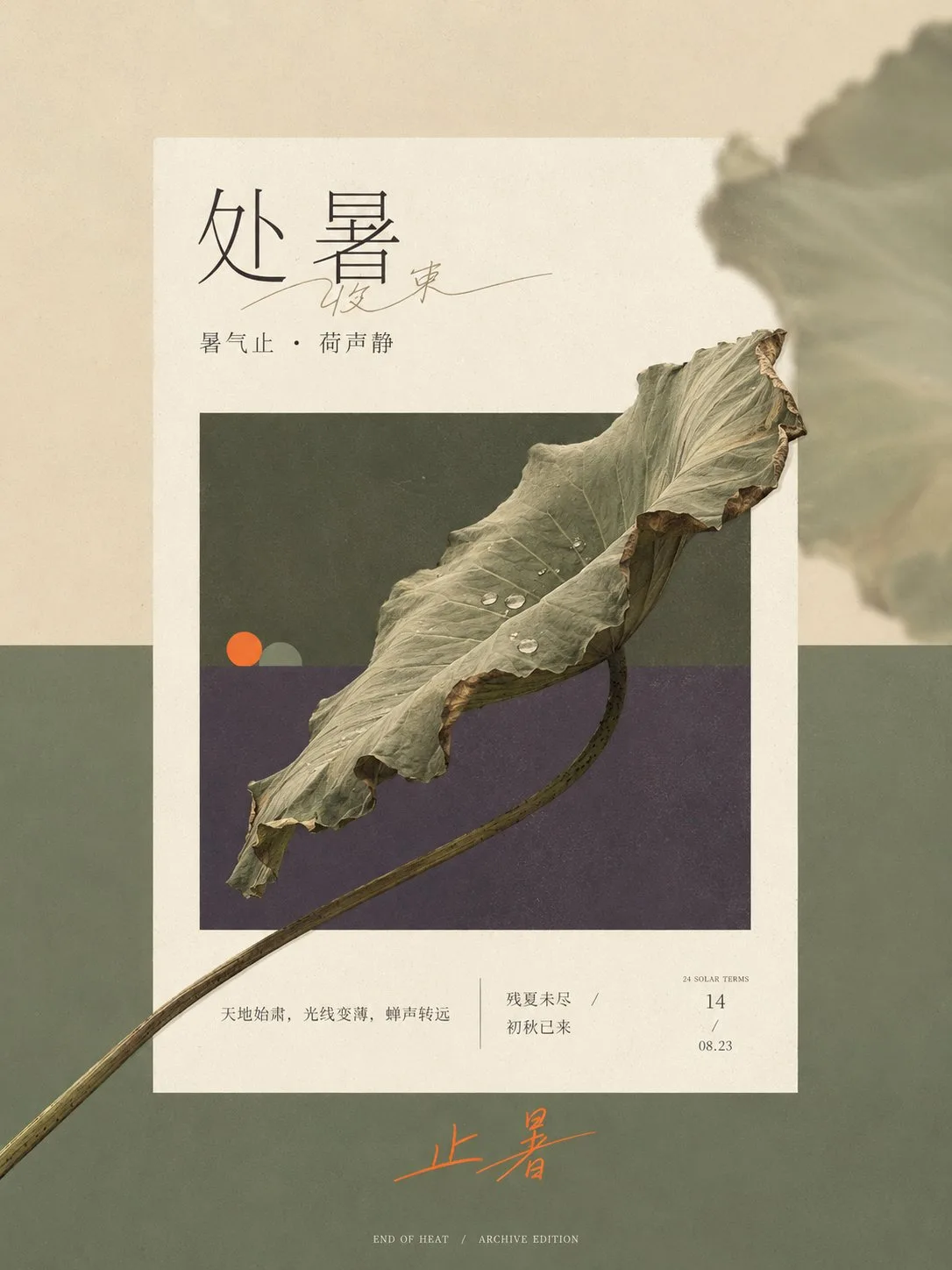
ChatGPT
PhotographyChatGPT
Modern editorial visual chushu solar term
Creator @xiaoxiaodong01
Prompt
Generate an extremely narrow and long vertical editorial visual around a specific theme, creating three clear planar spaces consisting of an outer large color field, a central warm white paper page, and an indented theme window within the page. First, derive two structural colors from the thematic state contrast and emotional temperature, covering the majority of the image with a hard horizontal boundary; repeat this division in the embedded window with the same direction and similar proportions; the outer field is brighter and emptier, while the window is deeper and denser, with the paper white acting as the highest brightness interlayer of the entire painting. The weight of the image is concentrated in the middle, leaving a wide title area at the top and a relaxed emotional landing point at the bottom; the edges of the paper are straight, without heavy floating shadows, and a wide annotation strip is reserved below the window.

Extract a continuous and identifiable core form from the theme's direction, process, structural connections, and temporal changes, organizing it into a single diagonal axis running through the middle, making it cross at least two boundaries from inside the window, pressing over the window frame, entering the paper white space, and extending to the outer color field. The cross-boundary form remains complete and continuous, with the endpoints crossing the edges retaining the clearest recognition outlines, while internal details are moderately compressed; local forms go from dense to sparse along the diagonal axis, and other auxiliary objects are reduced to quiet small geometric focal points, stably remaining inside the window and near the color field boundary. Maintain a strict orthogonal order for the horizontal color boundary, vertical frame, rectangular paper, and inner window; only the core theme has the right to break the rules, establishing space through accurate occlusion relationships rather than relying on perspective or dramatic shadows.

Place a few homologous echoes on one side of the theme's momentum: enlarge, crop, and reduce the transparency and contrast of the core form, blurring it strongly until only soft color blocks remain, partially extending out of the canvas; the central subject remains clear, while the other side remains clean, giving the planar color field a sense of shallow air and memory. The colors maintain a clear area order, with the two structural colors together occupying about 80% of the image; the thematic intermediate color spans the two fields and stitches together cold and warm or state differences, while a small-area accent color appears twice at a long distance only at the visual focus within the window and the text gesture outside the paper. The specific hues change with the theme, but the brightness relationship—where paper white is the highest, a few deep outlines press the structure, and the accent color wins by saturation rather than area—remains stable.

The text system continues the order and boundary-crossing relationship of the image. The main title uses an elongated, sharp editorial serif skeleton with obvious stroke contrast and exquisite endpoints; the Chinese characters use a slender font with a bookish temperament and relaxed letter spacing. Transform a keyword into a continuous freehand thin line, lightly passing through or adjacent to the printed title, forming a private handwriting that echoes the theme's diagonal axis. Explanatory information is indented at the bottom of the paper, divided into two groups of medium-thin small characters and date-style micro-text; the area outside the bottom of the paper can use a group of handwritten text with long closing strokes to carry the second accent color, with only minimal metadata at the very bottom. Let the title, image, annotations, and footer decrease in density in sequence, ensuring the text does not suppress the core identifiable edges.

Treat objects with directionless soft daylight and low shadows, allowing the theme to retain limited realistic textures while still submitting to planar color blocks. The entire image is covered with extremely light art paper fibers, fine printing dots, and low-contrast scanning grain; textures in the paper and window are slightly more obvious, while the outer solid color field is more restrained; object edges allow for slight printing softening and color bleeding, while key outlines and glyphs remain clean. The final image first presents a white paper window in a two-color long format and a theme form growing continuously from inside the window to the outside, followed by the revelation of out-of-focus side shadows, exquisite headers, handwritten interventions, and micro-annotations, forming a modern paper-print visual where strict editorial order and a vivid sense of time coexist.
Theme: Chushu (End of Heat) of the Twenty-four Solar Terms.
Ratio 3:4
Copy the text, add your own details, and try it in your image model.