Piko
Piko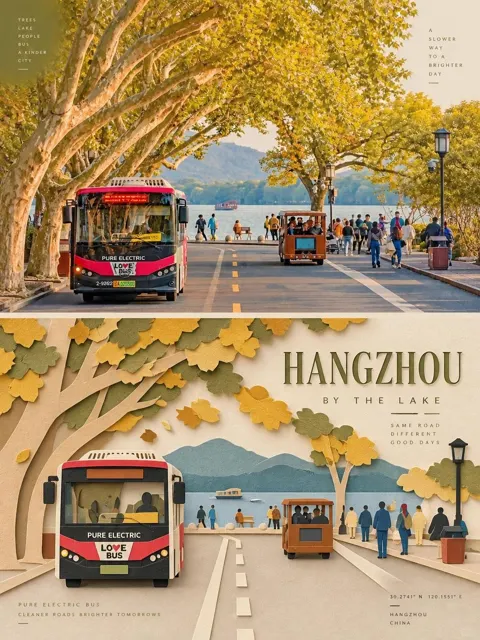 Explore prompt ↗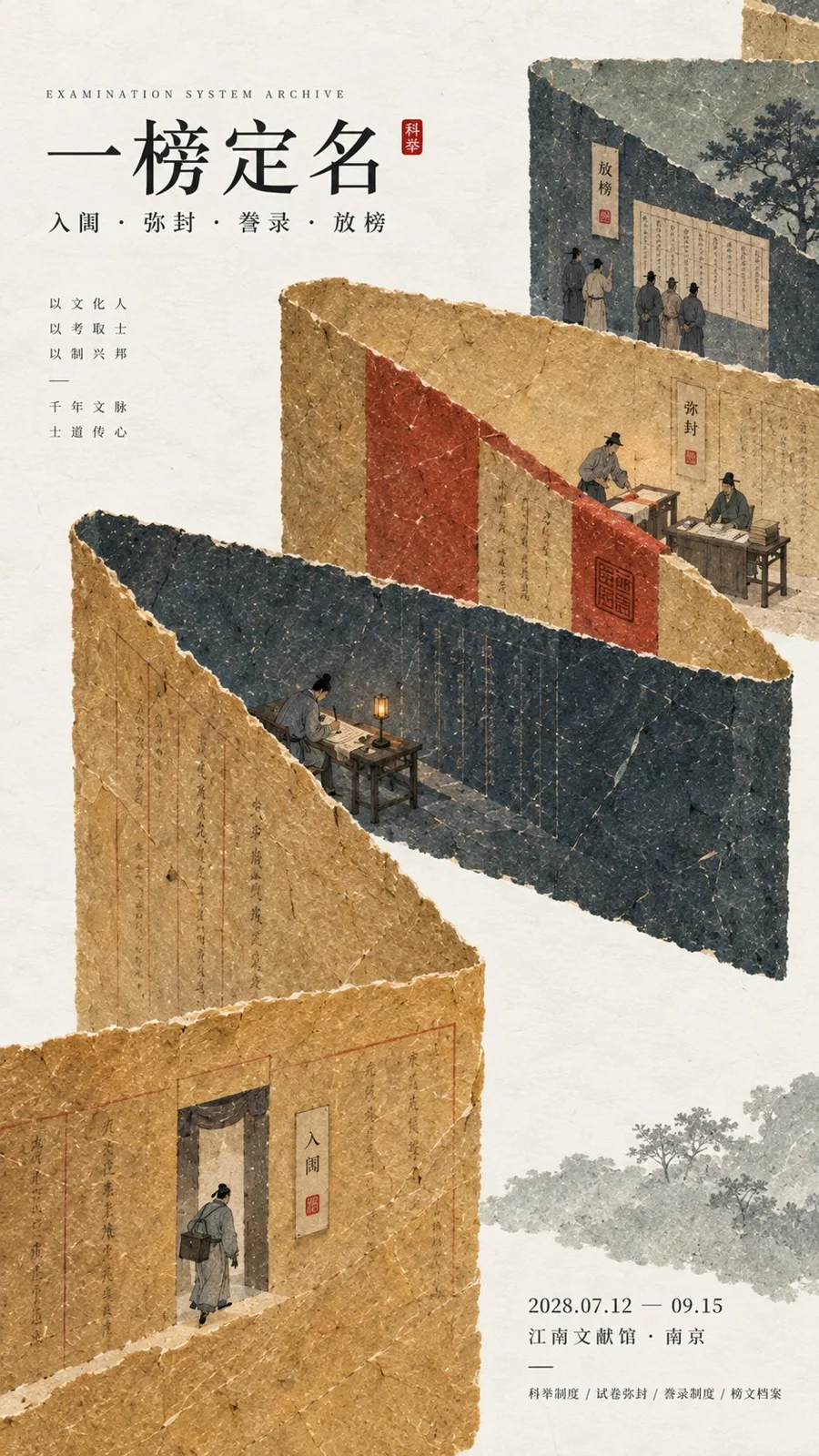
ChatGPT
DesignChatGPT
Modern eastern editorial aesthetic historical poster
Creator @MrLarus
Prompt
【Subject / Exhibition Name】{Fill in, e.g.: Imperial Examination System / Urban Night Patrol / Ancient Water Conservancy / Mortise and Tenon Structure}
【Main Title】{Fill in}
【Core System / Cultural Logic】{Fill in, e.g.: Entering the Arena → Sealing → Releasing the Results / Evening Drum → Night Patrol → Morning Opening / Diverting Water → Measuring Water → Irrigation}
【Main Color Gamut】{Fill in 3–5 colors, e.g.: Old Wheat Gold + Ink Green + Cinnabar / Deep Indigo + Gray Blue + Warm Ochre}
【Micro-scene Nodes】{Fill in 2–4 consecutive scenes}
【Exhibition Information】{Date / Location / Exhibition Type, optional}
【Aspect Ratio】9:16 vertical

Design a historical and cultural poster with modern Eastern editorial aesthetics, using "paper fiber + large color gamut + micro-scenes" as the core visual language. Do not understand traditional culture as stacking ancient buildings, calligraphy, auspicious clouds, or artifacts; instead, first extract the 【Core System / Cultural Logic】, and then let large areas of handmade paper color fields directly bear the structure, space, time, flow, order, or procedural relationships, so that the audience first sees a strong and clear large shape from a distance, and only upon closer inspection gradually discovers the cultural narrative hidden within.

Use the 【Main Color Gamut】 to establish 2–5 main paper color blocks with significantly different areas, maintaining low saturation but complete color concentration. All color blocks have the texture of real and rich handmade paper, pulp, watercolor, or mineral pigments, with visible natural long and short fibers, pigment deposits, slight indentations, large-scale natural color differences, and irregular torn paper edges; the overall effect is matte, clean, and complete, without being dirty, old, yellow-spotted, randomly mottled, cheap retro, or digital gradients. According to the theme, let the color gamut express the institutional operation logic through folding, branching, interleaving, interlocking, staggered layers, supporting, segmenting, enclosing, or negative space relationships, rather than simply serving as background decoration.

Embed 【Micro-scene Nodes】 within the large color gamut structure, keeping figures and props at a very small scale, totaling about 3%–6% of the frame. Each scene must show a clear action, and there should be a causal or temporal relationship between them, such as "Enter → Execute → Record → Complete," letting the miniature figures truly carry the narrative rather than just posing. The clothing of the characters and the artifacts should conform to the theme's era and identity but remain restrained, not like a film or television ancient costume blockbuster; the scenes retain only the key props that can explain the institutional relationship, without being piled with decorations and irrelevant cultural symbols.

Typography uses the editorial language of modern Eastern cultural institutions, museums, or archival exhibitions. The main title 【Main Title】 uses exquisite Songti, Ming-style, or Chinese fonts with a sense of publication, keeping the font size at a small to medium scale so the text does not overwhelm the large color gamut; auxiliary English, dates, locations, and explanatory information use smaller font sizes to form a clear hierarchy. Minimal cinnabar marks, paper slips, archival labels, or node text can be added, but they must have a real relationship with the theme's logic and cannot be just random decorations for a "National Style feel."

The overall reading order should be: large color gamut structure and color relationships → institutional or spatial logic → miniature figure continuous narrative → main title and exhibition information. The final image should achieve a strong large shape and visual impact from afar, and have paper fibers, character actions, and historical details up close, combining a sense of design, narrative, and cultural completeness. Avoid book cover feelings, traditional ancient style illustrations, full-screen ancient buildings, huge titles, PPT-style regular layouts, modern infographic arrows, meaningless English placeholders, stacking of elements, commercial advertising feelings, 3D CGI, glass materials, neon colors, logos, watermarks, numbering, and starburst decorations.
Copy the text, add your own details, and try it in your image model.