Piko
Piko Explore prompt ↗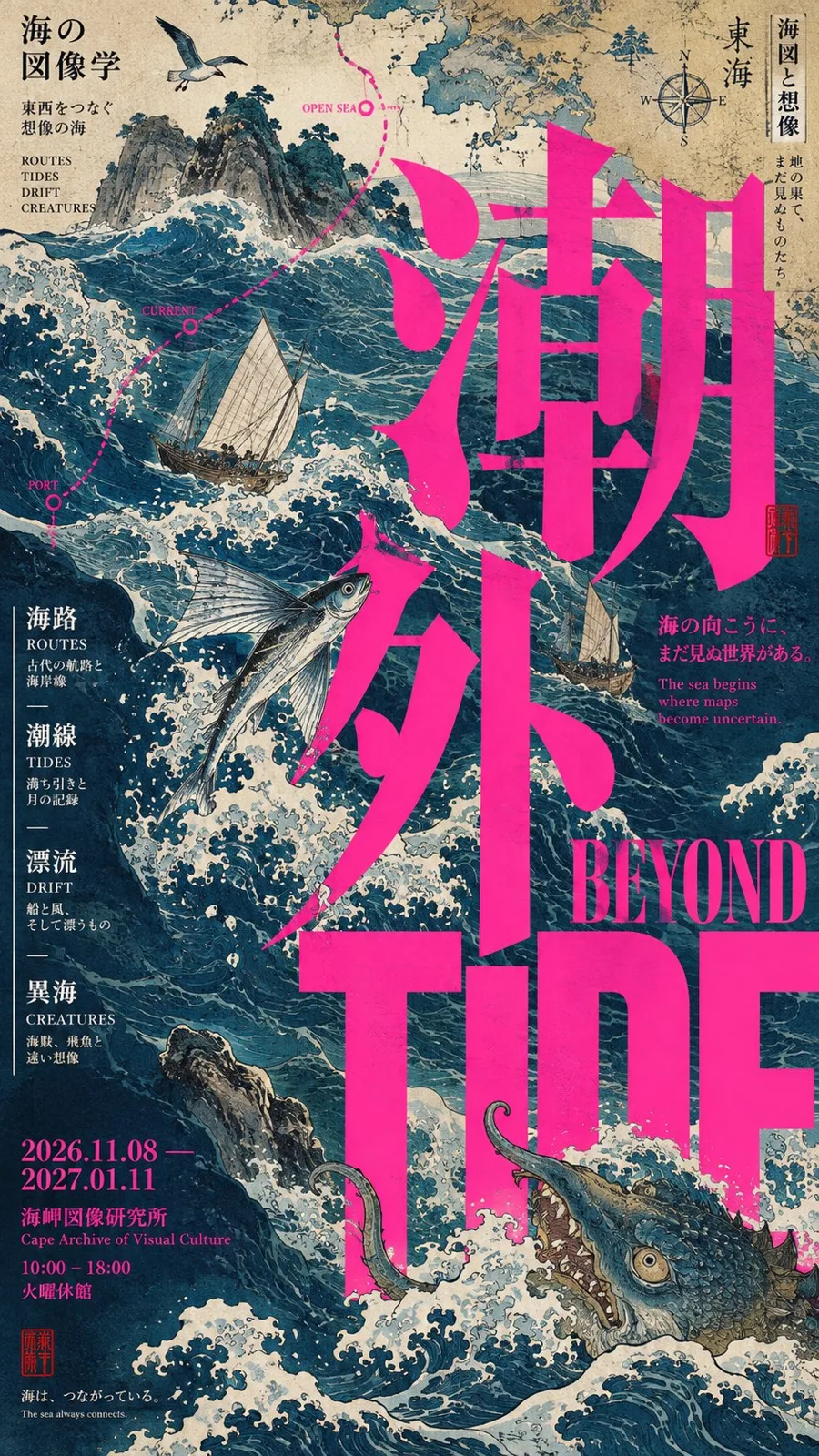
ChatGPT
DesignChatGPT
Japanese museum cultural editorial poster prompt
Creator @MrLarus
Prompt
[Theme] {fill in theme}
[Chinese Title] {fill in 2–4 characters}
[English Title] {fill in short English}
[Core Subject] {Person / Artifact / Classical Image / Product / Scene etc.}
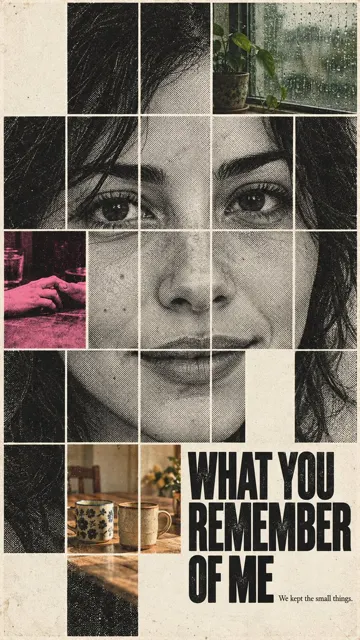
[Layout Mechanism] {Ancient Image x Fluorescent Giant Characters / Giant Character Architecture x Subject Interweaving / Person x Geometric Slices / Monochromatic Field x Ultra-thin Vertical Axis / Others}
[Main Color] {fill in}
[Accent Color] {fill in}
[Information Density] {Low / Medium / High}
[Aspect Ratio] 9:16

Generate an image-text poster with the temperament of a mature Japanese art museum, cultural publication, and Editorial Graphic Design. Do not apply a fixed "title + main image + info bar" template; instead, first establish a sufficiently distinct visual action based on the [Layout Mechanism], allowing text, images, color blocks, and the subject to truly participate in the same composition.

Typography must become the visual structure. Chinese or English titles can be extremely enlarged, bleed off the edge, misaligned, cross zones, be obscured by the subject, or conversely press down on the subject; allow the subject to enter the negative space of the glyphs, creating interweaving, obscuring, and front-to-back layers between "words" and "images". Establish obvious scale contrast: giant titles x strong subjects x tiny Micro Typography; do not let all text maintain a similar font size.

Images can be boldly cropped; complete display of the subject is not required. Use ancient paintings, archival photography, portraits, artifacts, plants, or other visual materials based on the theme, but each poster retains only one strongest subject and one strongest compositional conflict. Information density adopts a localized concentration method; dates, English sub-titles, short sentences, and miniature annotations can grow naturally along edges, color blocks, glyphs, or the subject; do not spread them evenly, and do not make it into a card UI.

Color palette controlled within 2–4 main color systems; fluorescent pink, vermilion, orange, cyan, black and white combinations can be used boldly to create a conflict between traditional images and modern colors; large areas of monochromatic fields can also be used, keeping only minimal subjects and text. Allow for slight paper texture, printing overprint feel, or handmade marks, but do not heavily age, soil, or pixelate with noise.

The final effect should look like a truly art-directed Japanese cultural poster: bold image-text relationships, individualistic layouts, rich but orderly information, with each work having an independent visual action rather than the same template with swapped content.

Avoid: ordinary top-title bottom-image layouts, regular grids, card UI, PPT-style information modules, bilateral symmetry, all subjects fully centered, meaningless English, random gibberish, excessive CG, cheap vintage filters, numbering 01 / 02 / Vol., four-pointed stars, and sparkles.
Copy the text, add your own details, and try it in your image model.