Piko
Piko Explore prompt ↗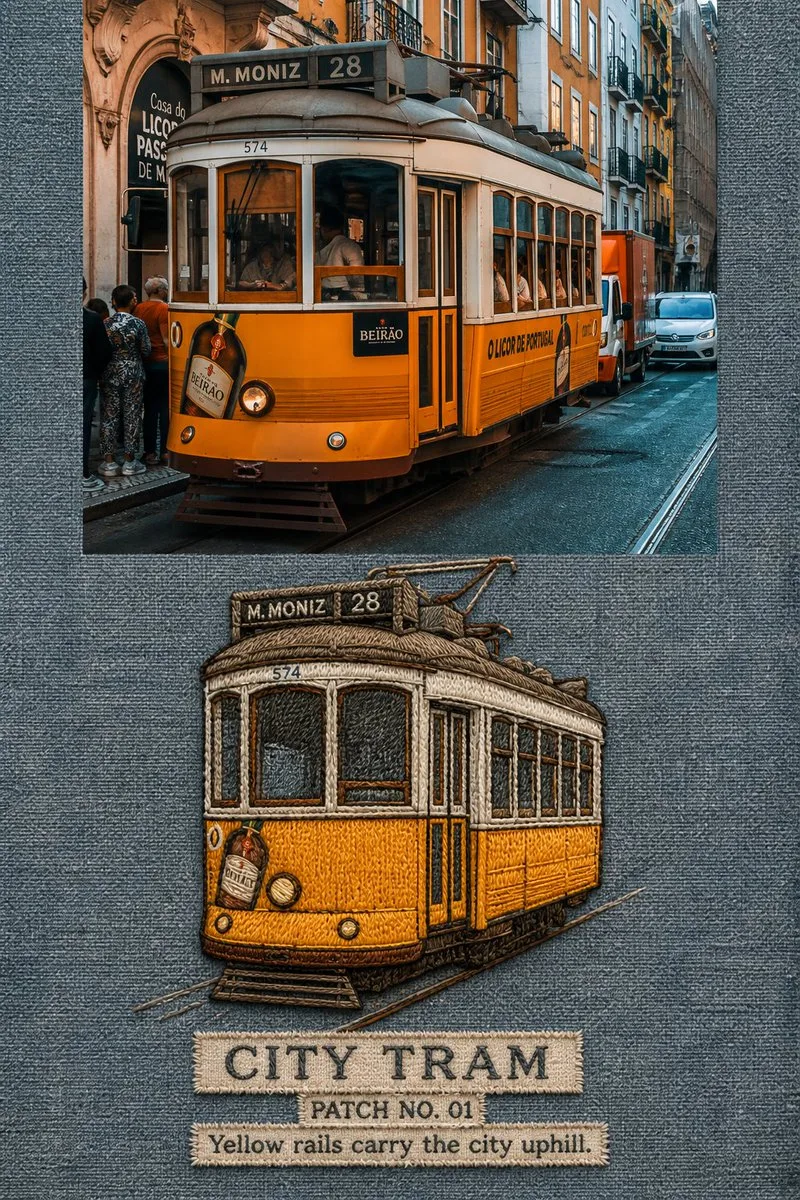
ChatGPT
DesignChatGPT
Embroidery travel patch poster design
Creator @Hamburgerai
Prompt
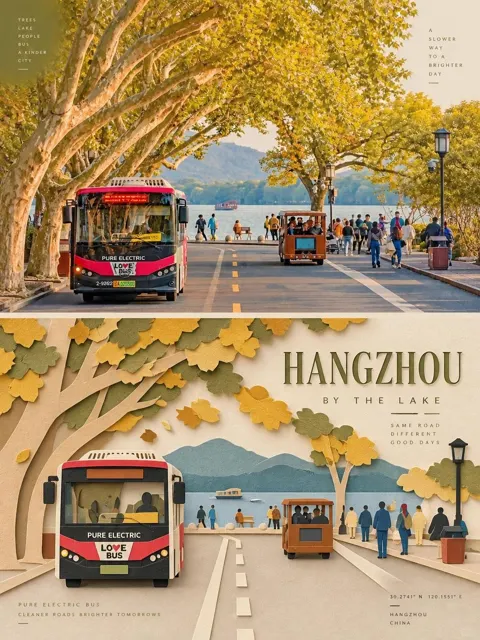
Please turn each travel photo I upload into a separate "Embroidered Travel Patch" high-end editorial poster, not a multi-image collage, with each photo output individually.

The overall layout uses a 3:4 vertical original-photo-comparison composition. The upper half retains a clear original photo with substantial area, and the lower half presents a single embroidered travel subject extracted from the same photo. The top and bottom usually occupy about 50% each, which can be slightly adjusted according to the photo ratio, but the original photo comparison must not be cancelled.

The upper half preserves the subject identity, quantity, posture, structure, observation angle, environmental relationship, real texture, natural light and shadow, and original colors in the photo with high fidelity, only performing slight travel magazine and art publication color grading. The upper part must continue to be a real photographic work, and must not be illustrated, have scenes replaced, have subjects added or deleted, or have the structure of buildings and transportation vehicles changed.

When the original photo ratio is not suitable for the horizontal area, it should be centered to retain its own ratio, and supplemented with the solid color sidebars of the lower half's fabric background, without stretching, mirroring, or using blurred photo edge-filling.

The lower half should not embroider the entire photo completely. Only select one core subject with the most recognition and clearest outline from the photo, such as a tram, a boat, a bicycle, a hot air balloon, an animal, a person with clear movements, or a travel object.

Retain the outer contour, orientation, posture, key structure, and iconic color blocks that determine the subject's identity, and delete building complexes, streets, sky, water surfaces, mountains, trees, and other complex backgrounds.

The subject uses a reduced extraction or single-item display composition, occupying about 28%—52% of the width and about 30%—50% of the height of the lower area, usually placed in the center or lower middle. Retain about 45%—65% of continuous, complete fabric open space without fragmented decorations around it.

2—5 short stitches can be added to imply tracks, water waves, wind direction, ground, or movement direction, but they must not develop into a complete background, and a second visual subject must not appear.

The background of the lower half is a whole piece of clearly visible twill, old canvas, coarse cotton, or linen. The fabric base color must be extracted from the original photo and adaptively changed according to each photo, such as grayish blue, terracotta pink, turquoise, smoky blue-gray, warm beige, or other low-saturation colors; do not use the same off-white cloth fixedly for all photos.

Use real satin stitch, split stitch, chain stitch, backstitch, and a small amount of loose thread to constitute the subject. The stitch direction must change according to the subject's blocks, structure, and movements: metal, wood, clothes, animal fur, wheels, hulls, balloons, or plants need to be expressed using embroidery threads of different directions, lengths, and pile heights.

Localized thread piling, slightly uneven stitches, edge misalignment, exposed backing, loose threads, thread ends, and fabric wrinkling are allowed, making it look like real handmade embroidery sewn on a fabric surface, rather than a printed illustration or digital filter.

Each work extracts 4—8 embroidery thread colors from the original photo, retaining the subject's most recognizable color relationships, and then appropriately summarizes and softens them. Fixed rainbow threads, neon gradients, or high-saturation color clashing unrelated to the photo must not be used.

Text is concentrated below the embroidered subject, using lower pile height chain stitches, small woven labels, or fabric embroidered characters. By default, it includes a title of 1—3 English words, a field like "PATCH NO. 01", and a short observation sentence of 5—10 English words.

The text content is extracted based on the real visible subject, action, or state in the photo, and must be clearly readable, restrained in quantity, not block the subject, and not generate fake place names, author names, brands, logos, URLs, or gibberish.

Overall presentation is a quiet, warm travel patch visual with handmade temperature and a sense of collectability. The real photo is responsible for preserving the complete scene, and the embroidery area only leaves the one subject most worth remembering, like taking a mark from the journey that can be sewn on clothes, bags, or luggage.

Avoid embroidering the entire landscape, full background embroidery, same-composition-different-material of the photo, printed stickers, flat vector mascots, thick felt collages, photos pasted on cloth, knitted toys, embroidery hoop mockups, extra people or animals, fashion brand logos, author signatures, watermarks, and a sense of cheap templates.
Copy the text, add your own details, and try it in your image model.