Piko
Piko Explore prompt ↗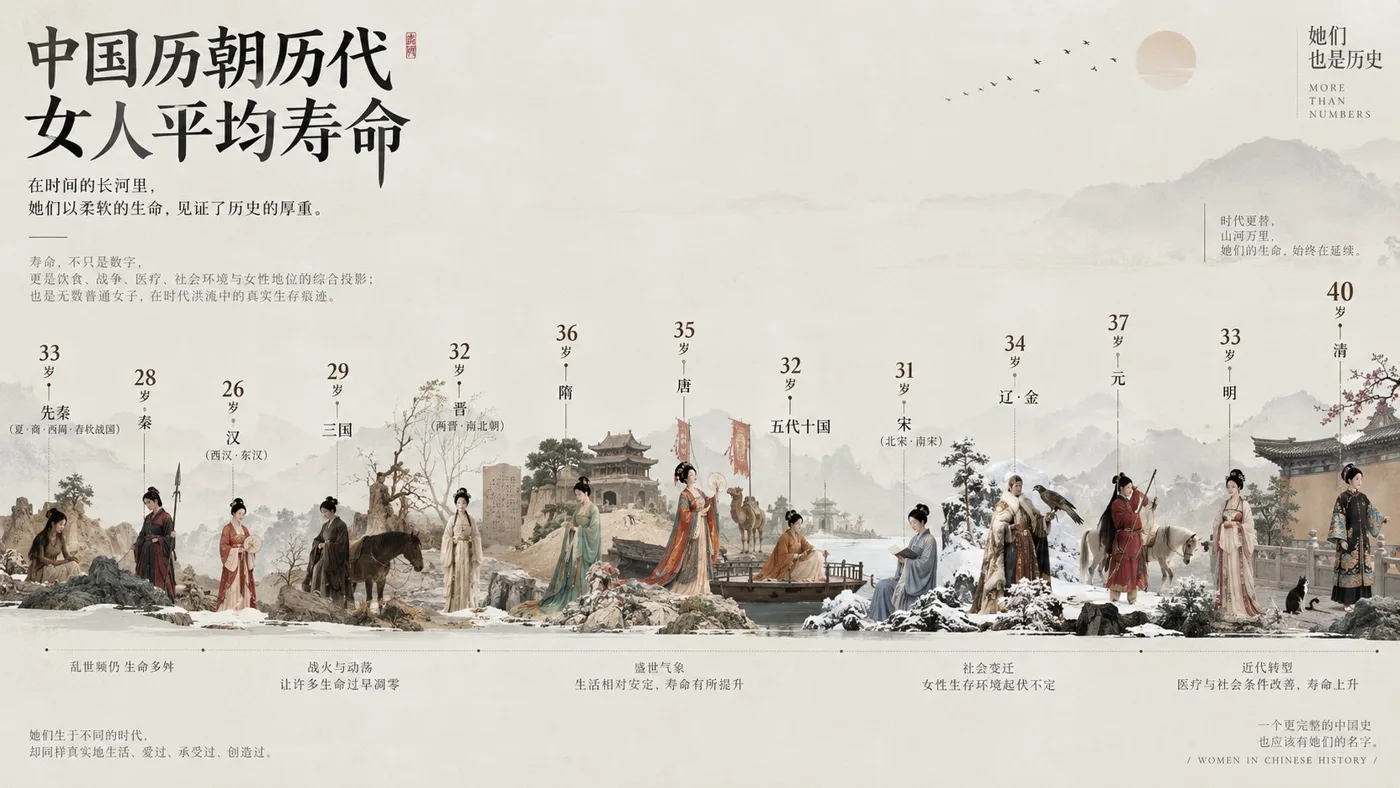
ChatGPT
PhotographyChatGPT
Cultural texture and natural order visual information
Creator @xiaoxiaodong01
Prompt
Create an informational visual work with a high degree of editing consciousness, cultural texture, and visual insight. Do not rush to explain; do not directly translate information into icons, flowcharts, cards, or standard charts. Instead, first understand the time, scale, hierarchy, relationship, density, difference, evolution, contrast, gathering and scattering, and rhythm that truly exist within the content, and let visual forms naturally generate from these relationships.

The entire image should possess a quiet and open order. There are clear connections between elements, yet they retain their independent states of life; some are close, some distant, some towering, some low-lying, some heavy, some light. Do not aim for tidiness for the sake of tidiness, nor deliberately create change for the sake of change. Let scale, position, material, posture, spacing, direction, light and dark, whitespace, and visual weight interact with each other, making the order seem naturally formed rather than forcibly arranged by a template.

Information can be transformed into characters, artifacts, structures, natural forms, architecture, spaces, materials, symbols, text, scenes, abstract shapes, or visual existences that are difficult to categorize simply. What specific form is adopted should be determined by the content itself, without presetting a fixed visual dictionary. Avoid the mechanical logic of "one type of information corresponds to one fixed icon," and avoid repeatedly copying the same shape. Allow different expressions to appear within the same system, as long as they hold true to each other in visual relationships and spiritual temperament.

Let data and information be perceived rather than crudely labeled. Quantity can be manifested through scale, time through extension, importance through visual weight, and relationships through distance, direction, overlap, resonance, or spatial structure. Necessary text, numbers, markers, and guide lines should exist quietly as part of the editorial system, rather than dominating the image.

Maintain a large amount of effective whitespace, letting the blank space become part of the structure. The image should have pauses, transitions, breathing, and space that is not fully explained. Parts can be precise, parts can be relaxed; some information can be seen immediately, while some relationships are allowed to emerge gradually after viewing. Do not say everything at once.

The visual language lies between high-end publications, museum displays, cultural research maps, contemporary information design, still life photography, art direction, and data storytelling, but do not obviously mimic any existing style. Materials, light, fonts, composition, and space should jointly serve the content itself, remaining restrained, accurate, and mature, while possessing a subtle sense of strangeness and discovery.

Do not use rigid grids to dominate everything, do not apply common commercial infographic templates, and do not pursue superficial "sense of technology," "sense of high-end," or decorative complexity. Avoid averageness, symmetry, homogenization, over-regularity, and meaningless visual filling. Allow for contingency, but contingency must be built within the overall judgment; allow for freedom, but freedom always exists within an internal order.

The final work should first attract the viewer with the overall relationship and atmosphere, and then gradually enter the information; from a distance, it forms a complete and distinct visual structure, and upon closer inspection, layers of detail and content logic can be discovered. It is not about decorating information more beautifully, but about letting the content find a form that originally belongs to it.
Copy the text, add your own details, and try it in your image model.